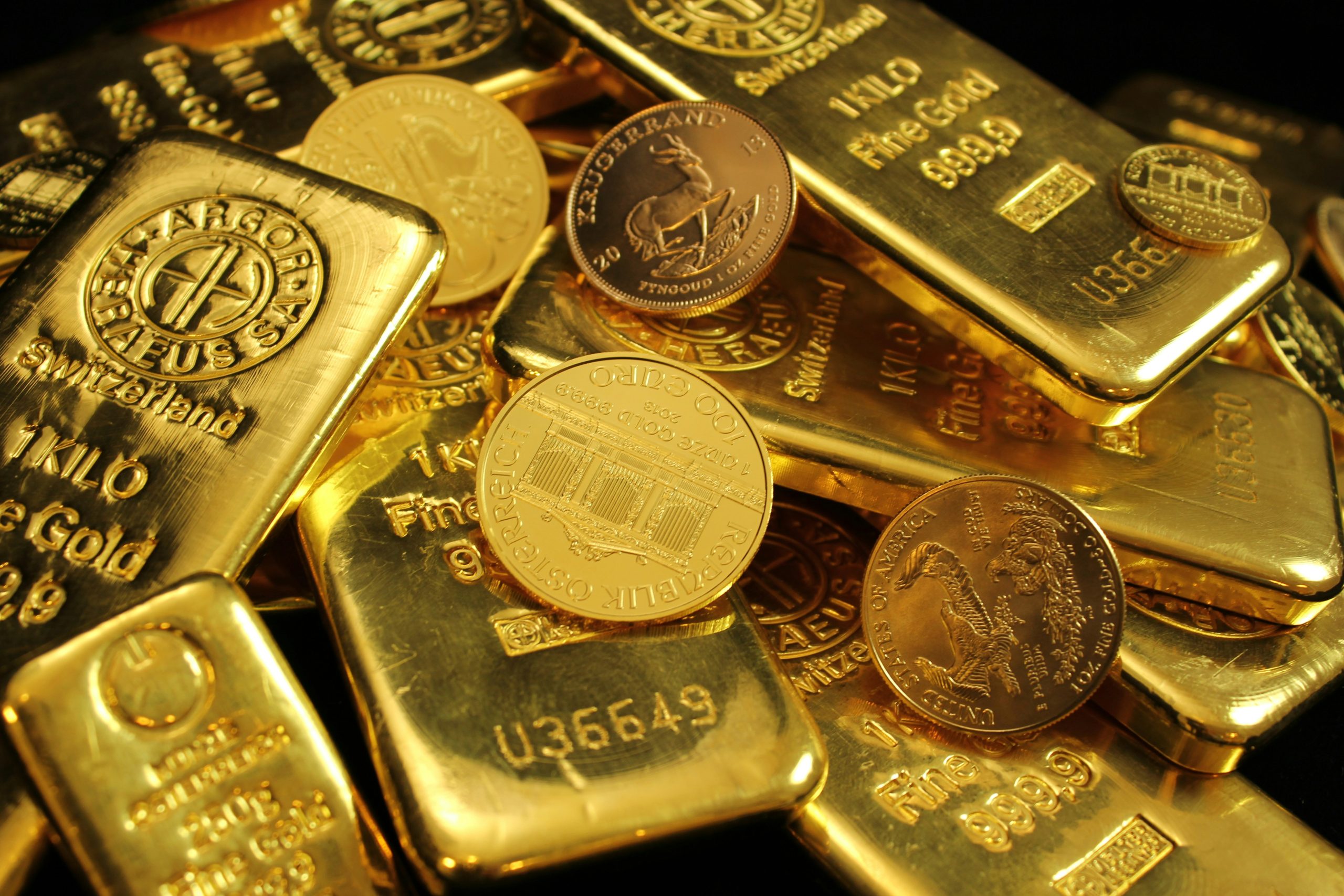

In times of economic uncertainty, investors often search for assets that can preserve value and protect their wealth from volatility. Throughout history, gold has maintained a unique position as one of the most trusted safe-haven investments. Whether during financial crises, inflationary periods, or geopolitical tensions, gold continues to attract investors seeking stability. Its long-standing reputation, intrinsic value, and global acceptance make it an essential component of many diversified investment portfolios.
The Historical Role of Gold as a Store of Value
Gold has been used as a store of wealth for thousands of years. Ancient civilizations valued gold not only for its beauty but also for its rarity and durability. Unlike paper currencies that can lose value due to inflation or government policies, gold has consistently maintained purchasing power over time.
Historically, during periods of economic instability such as recessions or currency devaluations, gold prices tend to rise. This happens because investors lose confidence in traditional financial assets like stocks or currencies and move their capital into tangible assets. Gold’s universal recognition and limited supply contribute to its ability to retain value across generations.
Protection Against Inflation
One of the primary reasons investors turn to gold is its ability to hedge against inflation. Inflation reduces the purchasing power of money, meaning that the same amount of currency buys fewer goods and services over time. When inflation rises, central banks often increase money supply, which can weaken the value of fiat currencies.
Gold, however, is not directly tied to any government’s monetary policy. Its supply grows slowly through mining, which helps maintain its scarcity. As a result, when inflation accelerates, gold prices often increase as investors look for ways to protect their wealth. This characteristic makes gold particularly attractive during periods when the cost of living is rising rapidly.
Stability During Market Volatility
Financial markets can experience significant volatility due to economic downturns, political instability, or global events. Stock markets may decline rapidly, and currencies may fluctuate dramatically. In such conditions, gold often performs differently from other assets.
Because gold has a low correlation with stocks and bonds, it can act as a stabilizing force in an investment portfolio. When equity markets decline, gold prices often remain stable or even rise. This inverse relationship provides investors with a valuable hedge against market downturns.
For example, during major financial crises, investors historically increased their demand for gold as a protective asset. This behavior reinforces gold’s reputation as a reliable safe haven when traditional investments become uncertain.
Limited Supply and Long-Term Value
Another factor supporting gold’s value is its limited supply. Gold cannot be produced at will like paper currency. Mining gold is a complex and costly process that requires significant time, labor, and resources. Because of this, the global supply of gold grows only gradually each year.
This scarcity contributes to gold’s long-term value. As global demand increases—especially from investors, central banks, and industries—limited supply can push prices higher. In addition, gold is durable and does not corrode or deteriorate, which means that much of the gold ever mined is still in circulation today.
Global Demand for Gold
Gold demand comes from several sources, which helps support its price stability. The most prominent sources include jewelry, investment products, and central bank reserves. Jewelry accounts for a large portion of global gold consumption, particularly in countries with strong cultural ties to gold ownership.
Investment demand also plays a significant role. Exchange-traded funds (ETFs), gold bars, and coins allow investors to gain exposure to gold without directly participating in mining or industrial use. During times of economic uncertainty, demand for these investment products typically increases.
Central banks around the world also hold significant gold reserves as part of their financial strategies. These reserves help strengthen confidence in national economies and provide financial stability during periods of crisis.
Portfolio Diversification Benefits
Diversification is one of the most important principles in investing. A well-balanced portfolio typically includes different asset classes such as stocks, bonds, real estate, and commodities. Gold plays a valuable role in diversification because its price movements often differ from other financial assets.
By allocating a portion of their portfolio to gold, investors can reduce overall risk and improve long-term stability. Even a small percentage of gold holdings can help offset losses during periods when traditional assets underperform.
Many financial experts recommend maintaining a modest allocation to gold as part of a broader investment strategy. While gold may not always produce the highest returns, its ability to preserve wealth during turbulent times makes it an important defensive asset.
Accessibility and Investment Options
Modern investors have many ways to invest in gold. Physical gold remains a popular choice, with options such as coins, bars, and bullion. These tangible assets provide direct ownership and can be stored privately or in secure vaults.
In addition to physical gold, investors can access gold through financial instruments such as ETFs, mutual funds, and mining company stocks. These options offer greater liquidity and convenience while still providing exposure to gold’s price movements.
Each investment method has its own advantages and considerations. Physical gold offers security and independence from financial institutions, while ETFs and funds provide easier trading and lower storage concerns.
Gold in the Modern Economic Landscape
Despite advances in financial technology and the emergence of digital assets, gold continues to maintain its relevance in the global economy. Investors, institutions, and governments still recognize its value as a reliable reserve asset.
In an era of economic uncertainty, geopolitical tensions, and fluctuating currencies, gold remains a trusted safeguard against financial instability. Its long history of resilience reinforces its role as a cornerstone of wealth preservation strategies.
Conclusion
Gold has stood the test of time as a symbol of stability and financial security. Its ability to preserve value, hedge against inflation, and provide protection during market volatility makes it a powerful tool for investors navigating uncertain economic environments.
While no investment is entirely risk-free, gold’s unique characteristics have allowed it to maintain its reputation as one of the world’s most dependable safe-haven assets. By incorporating gold into a diversified investment strategy, investors can strengthen their portfolios and better prepare for the unpredictable nature of global financial markets.
